

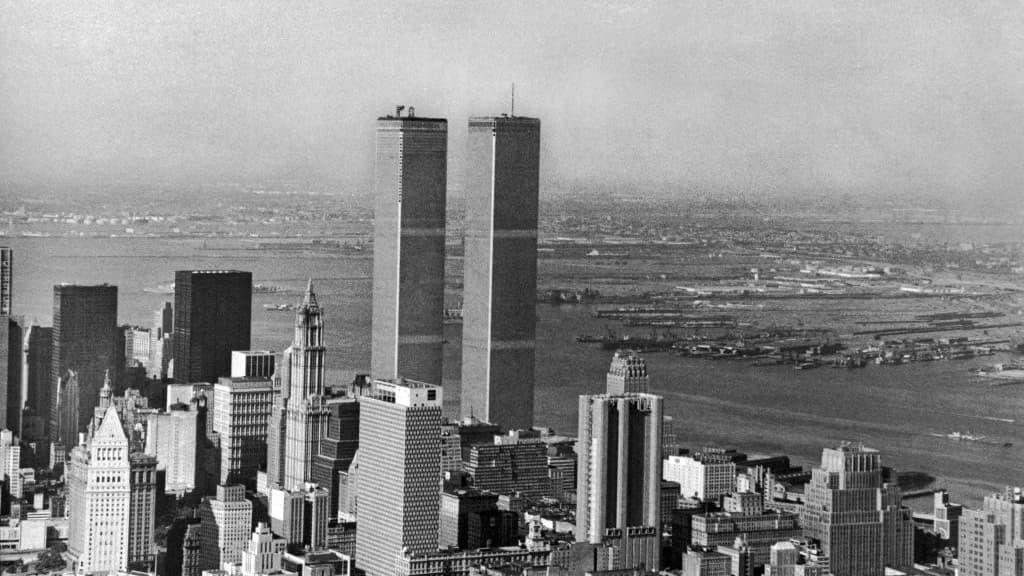
How 9/11 Helped Shape Our Politics Today
For years, we viewed the terror attacks of September 11, 2001, as the start of a new era defined by asymmetric warfare and a generational struggle against Islamic militancy. However, looking back through a historical lens suggests that the War on Terror was less about starting a new chapter and more about finally closing the book on the Cold War. While the Soviet Union collapsed decades earlier, the structures of that era like NATO and various multilateral treaties lingered on. The emergence of Al-Qaeda effectively dismantled these old frameworks, replacing traditional notions of great-power rivalry and deterrence with a chaotic reality where nonstate actors fought in civilian spaces across the globe.
Interestingly, the actual militant threat may have faded sooner than many realize. Rather than being crushed solely by military force, groups like Al-Qaeda lost their grip when people in the Arab world began demanding democracy rather than religious extremism during the Arab Spring. This shift suggested that militants failed to secure broad support among Muslims. Yet, while Al-Qaeda may have failed to build an empire, it achieved a different kind of victory by manipulating its enemies. The group aimed to provoke Western democracies into dismantling their own civil liberties in a frantic attempt to provide security, essentially triggering an autoimmune response where the defense mechanism destroyed the healthy tissue of liberal society.
The long term fallout is visible in today’s polarized political climate across America and Europe. By pushing governments toward mass surveillance, indefinite detention, and the erosion of privacy rights, the reaction to 9/11 weakened the very liberal values these nations claimed to protect. This period also shifted fringe views regarding immigration and civilizational conflict into the mainstream of public discourse. Ultimately, by distracting superpowers with expensive foreign entanglements and eroding trust in democratic institutions from within, the architects of 9/11 managed to shape modern politics far more profoundly than they ever could have through conventional warfare.